What is the Purpose of Excavation?
- 작성자
- Malissa Swenson
- 등록일
- 2025-10-03
- 조회
- 111
- 첨부파일
본문
Excavation is a critical process in construction, mining, archaeology, and land development. Excavation involves removing earth, rocks, and other materials to prepare the land for its intended use.
 Excavation is necessary for building homes, installing utilities, or uncovering historical artifacts, ensuring the site is stable and safe.
In the construction industry, excavation is the first major step toward turning blueprints into reality. Excavation sets a solid foundation, prepares the land for infrastructure, and creates pathways for drainage and utilities. Excavation is also vital in shaping landscapes, uncovering history, and managing environmental risks. Understanding its purpose helps highlight why it is such a critical process across so many industries.
== Excavation and Foundation Creation ==
The main purpose of excavation in Construction Companies Omaha is to establish a strong, stable, and level foundation. Before any building or structure is erected, the ground must be carefully prepared to ensure long-term stability. Excavation clears soil and rock, providing a stable base that supports the structure’s weight and prevents future shifting or settling.
Without this process, foundations would be vulnerable to cracks, uneven settling, or even collapse in extreme cases. A precise excavation guarantees that the building sits on a solid foundation, minimizing risks and ensuring stability.
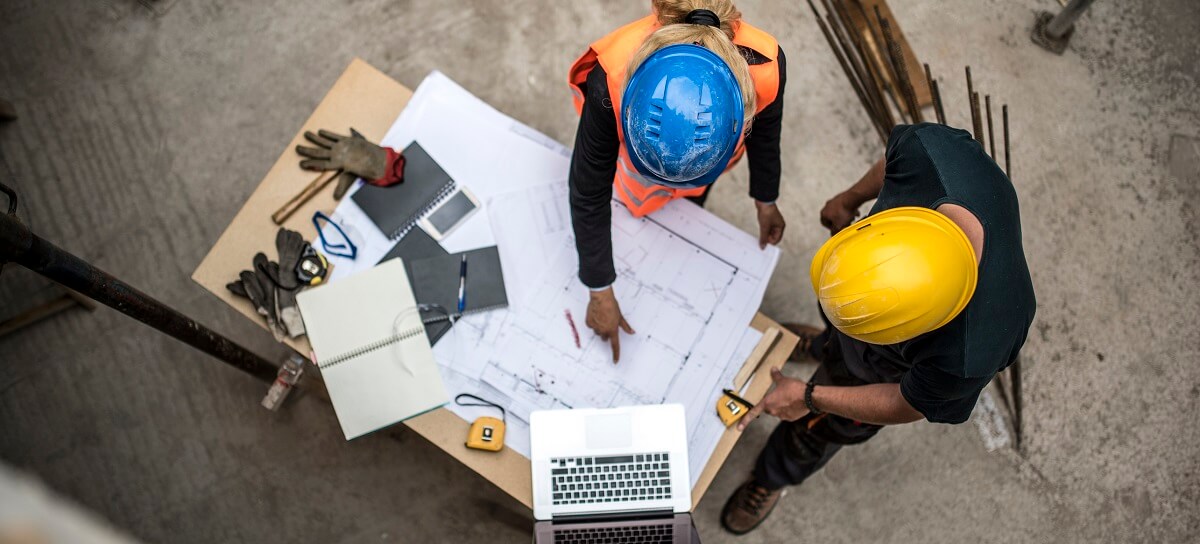 Foundation excavation is regarded as one of the most critical steps in construction.
== Preparing for Underground Systems ==
Excavation also creates space for essential underground utilities like water, sewer, gas lines, and electrical cables. Underground utilities are vital for modern life, but they need to be installed precisely for safety and efficiency.
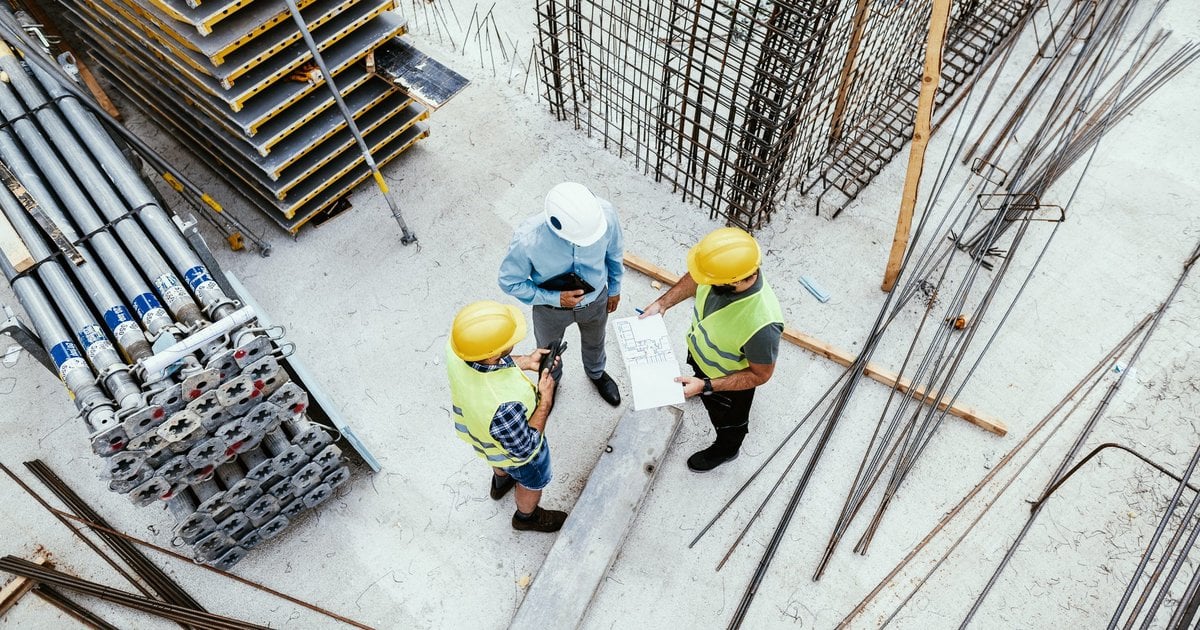 Excavation makes it possible to dig trenches and prepare the land for the installation of these vital systems.
Through excavation, utilities are positioned accurately, avoiding future problems like blockages or leaks. By providing room for underground systems, excavation helps lay the groundwork for reliable infrastructure that supports residential, commercial, and industrial development. Excavation is essential for the installation of the infrastructure that supports modern living.
== Site Preparation and Drainage ==
Excavation goes beyond removal to include shaping the land for specific project requirements. Site preparation involves clearing unwanted debris, grading surfaces, and leveling the ground to make it suitable for construction.
 Excavation ensures the land is ready and safe for construction to begin.
Drainage management is a critical aspect of excavation. Excavation can direct water flow away from structures, reducing the risk of flooding, erosion, and foundation damage. Proper grading ensures that rainwater or groundwater does not collect around buildings, which could otherwise lead to long-term problems.
Through careful contouring, excavation professionals create safe and sustainable construction sites.
Excavation involves removing earth, rocks, and other materials to prepare the land for its intended use. Excavation is necessary for building homes, installing utilities, or uncovering historical artifacts, ensuring the site is stable and safe. In the construction industry, excavation is the first major step toward turning blueprints into reality. Excavation sets a solid foundation, prepares the land for infrastructure, and creates pathways for drainage and utilities.
Excavation is also vital in shaping landscapes, uncovering history, and managing environmental risks. Understanding its purpose helps highlight why it is such a critical process across so many industries. == Excavation and Foundation Creation ==
The main purpose of excavation in Construction Companies Omaha is to establish a strong, stable, and level foundation.
Before any building or structure is erected, the ground must be carefully prepared to ensure long-term stability. Excavation clears soil and rock, providing a stable base that supports the structure’s weight and prevents future shifting or settling. Without this process, foundations would be vulnerable to cracks, uneven settling, or even collapse in extreme cases.
A precise excavation guarantees that the building sits on a solid foundation, minimizing risks and ensuring stability. Foundation excavation is regarded as one of the most critical steps in construction. == Preparing for Underground Systems ==
Excavation also creates space for essential underground utilities like water, sewer, gas lines, and electrical cables.
Underground utilities are vital for modern life, but they need to be installed precisely for safety and efficiency. Excavation makes it possible to dig trenches and prepare the land for the installation of these vital systems. Through excavation, utilities are positioned accurately, avoiding future problems like blockages or leaks. By providing room for underground systems, excavation helps lay the groundwork for reliable infrastructure that supports residential, commercial, and industrial development.
Excavation is essential for the installation of the infrastructure that supports modern living. == Site Preparation and Drainage ==
Excavation goes beyond removal to include shaping the land for specific project requirements.
Site preparation involves clearing unwanted debris, grading surfaces, and leveling the ground to make it suitable for construction. Excavation ensures the land is ready and safe for construction to begin. Drainage management is a critical aspect of excavation. Excavation can direct water flow away from structures, reducing the risk of flooding, erosion, and foundation damage. Proper grading ensures that rainwater or groundwater does not collect around buildings, which could otherwise lead to long-term problems.
Through careful contouring, excavation professionals create safe and sustainable construction sites.